When Tahoe Goes From Zero to Five Feet: What Snow Load Actually Means
buyers
buyers
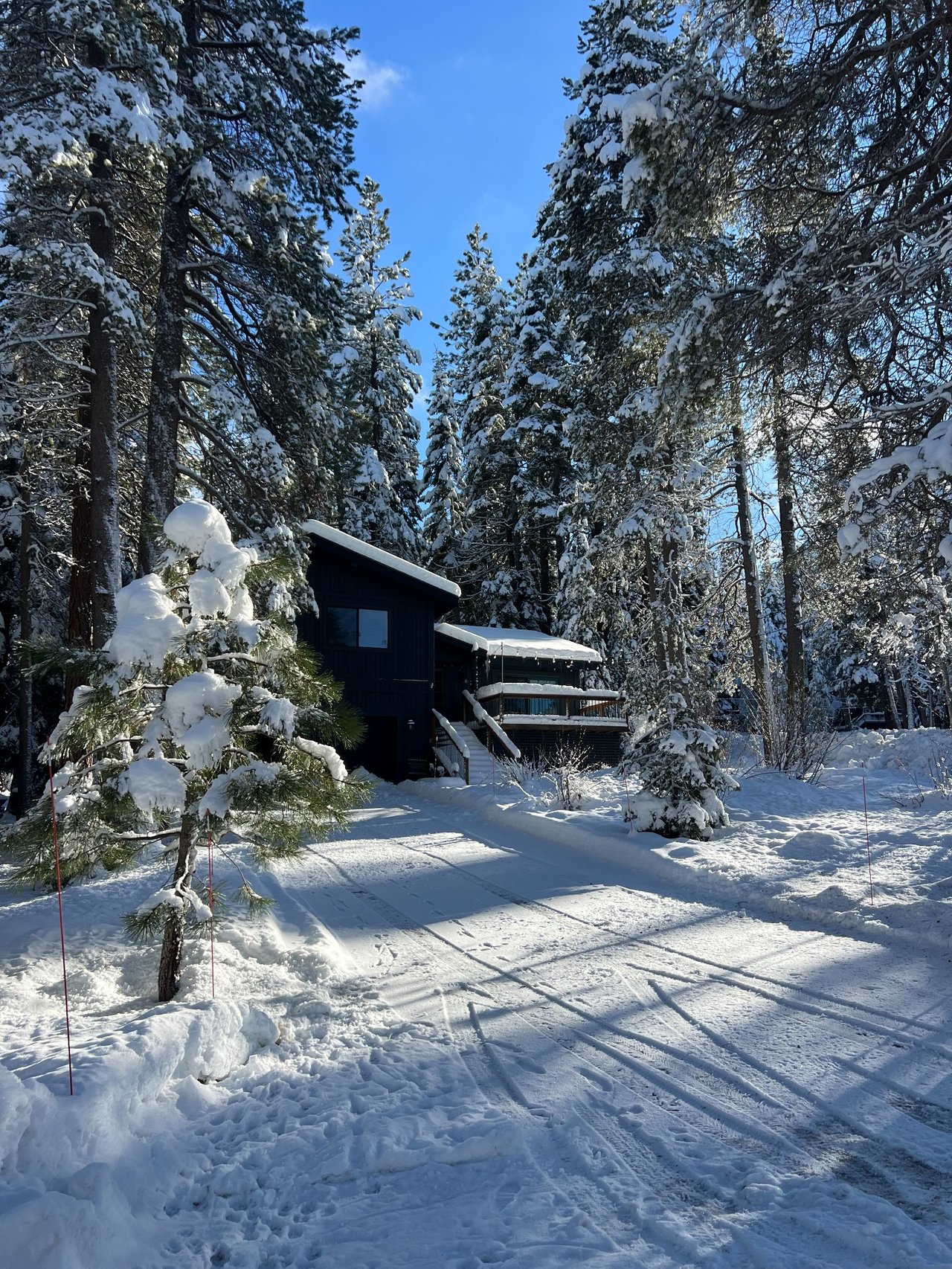
One week it’s bare roofs and dry trails. The next, five feet of snow - and suddenly everyone has a hot take on structural engineering.
In big winters, snow load becomes one of the most talked-about phrases with the least amount of framing. Not because it’s new — but because volume changes the conversation. So let’s put it where it belongs: calm, factual, and slightly less dramatic than the group chat.
What snow load actually is (and what it isn’t)
Snow load isn’t about how cozy your house looks under a fresh layer of white. Instagram doesn’t get a vote here.
It’s about weight.
Tahoe snow is often Sierra cement - dense, heavy, and entirely uninterested in aesthetics. It tests systems, not vibes.
A large share of Tahoe homes were built in the 1960s and 70s. They’ve carried winters like this for decades. Still standing. Still square. Still doing what they were designed to do.
That’s not nostalgia. That’s engineering.
Snow doesn’t usually create problems. It applies pressure where margins were already thin.
Winter showings aren’t dramatic — they’re diagnostic.
Snow is like putting a house through an X-ray machine. Summer hides things. Snow does not.
Pay attention to:
Subtle roofline sagging (raised eyebrow, not disaster movie)
Ice dams along eaves
Interior moisture near ceilings
How snow sheds from the roof — or whether it just camps out
Where snow sheds matters. Onto a porch? Across a walkway? Off to the sides where it belongs?
Your snow shovel will thank you for noticing.
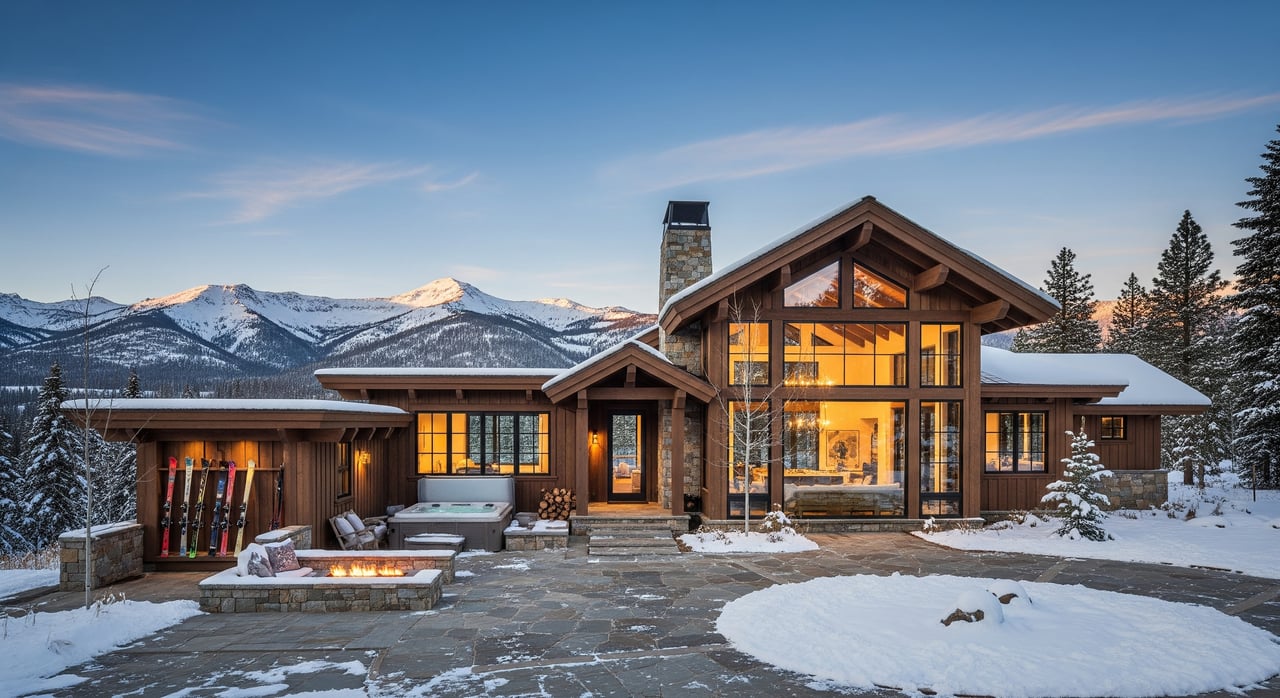
Mountain modern homes - including lower-slope and flatter roof designs - are increasingly common in Tahoe.
They aren’t worse. They’re different.
They rely on intentional engineering, drainage design, and snow-management systems. When those systems are maintained, performance is excellent. When they’re ignored, winter takes notes.
Snow doesn’t care how modern your house is. It cares whether the system was designed - and maintained - for load.
For buyers, winter is an X-ray. For sellers, it’s a diagnostic scan.
Especially if you’re not here full-time, snow reveals whether maintenance is keeping pace with a real mountain environment.
Smart sellers focus on:
Roof clearing when appropriate
Drainage paths that actually work
Even heat distribution that protects rooflines
Where snow sheds - and whether it complicates access
Buyers aren’t afraid of snow. They’re afraid of uncertainty.
Tahoe isn’t a lifestyle mood board. It’s a functioning mountain environment.
Homes here were built for accumulation - steep pitches, long spans, redundancy. That’s why so many are still performing after 60+ winters.
Snow doesn’t make a house weak. It reveals where attention drifted.
Snow load isn’t a crisis - it’s a literacy test. Winter doesn’t ask you to panic. It asks whether you understand what you’re looking at.
That’s the difference between fear and fluency.
And in Tahoe, fluency is the real luxury.
Written by Camille Duvall
Global Real Estate Advisor | Sierra Sotheby’s International Realty
Camille Duvall covers Lake Tahoe real estate, luxury lifestyle, and market intelligence for buyers and sellers who prefer context over clickbait.
buyers
A calm, clear guide for Tahoe buyers and sellers navigating big winters, Sierra cement, and real mountain homes
Lifestyle
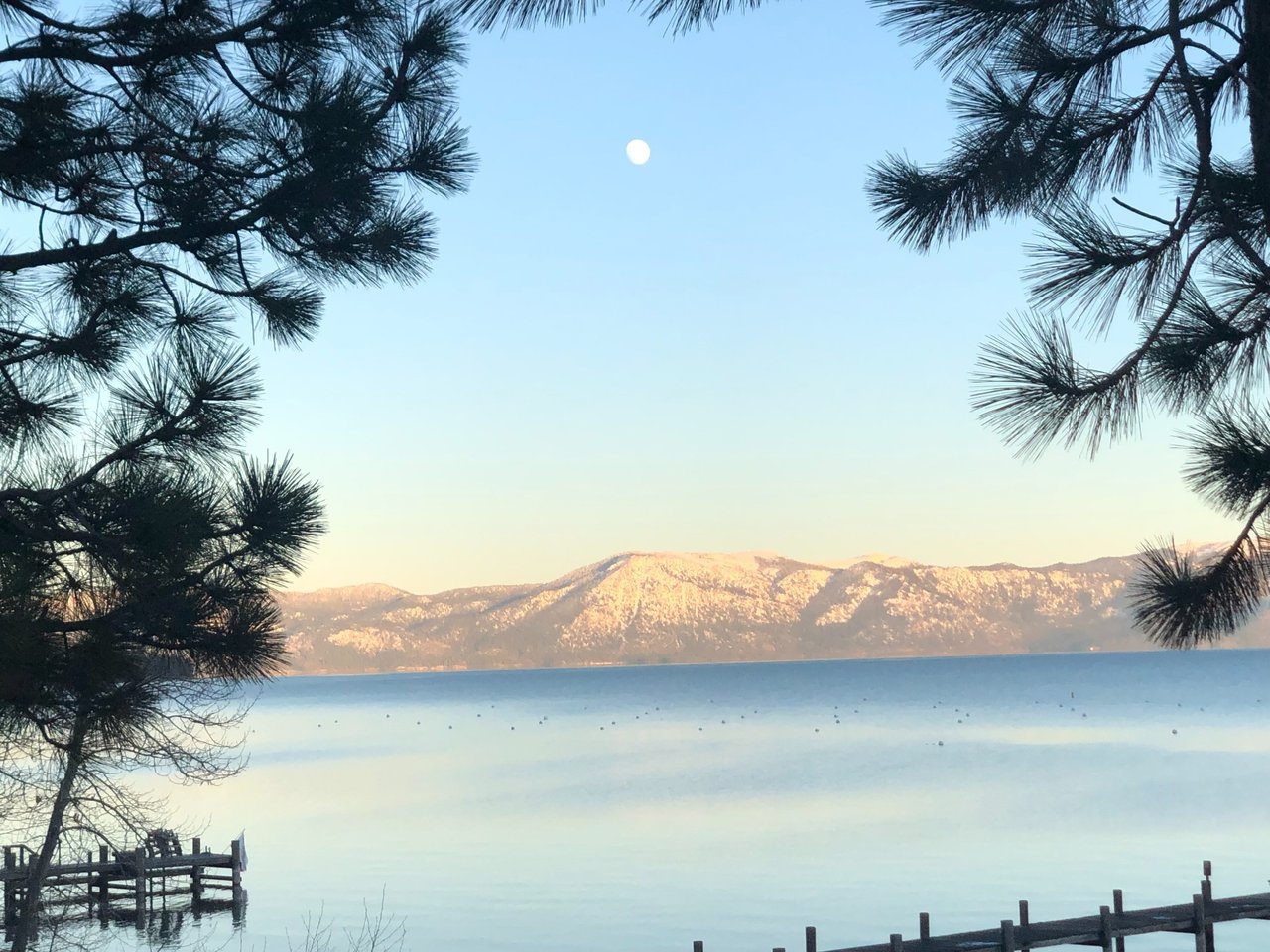
A local guide to Tahoe’s smartest après spots- no powder required
market
What November’s numbers really revealed.
Lifestyle
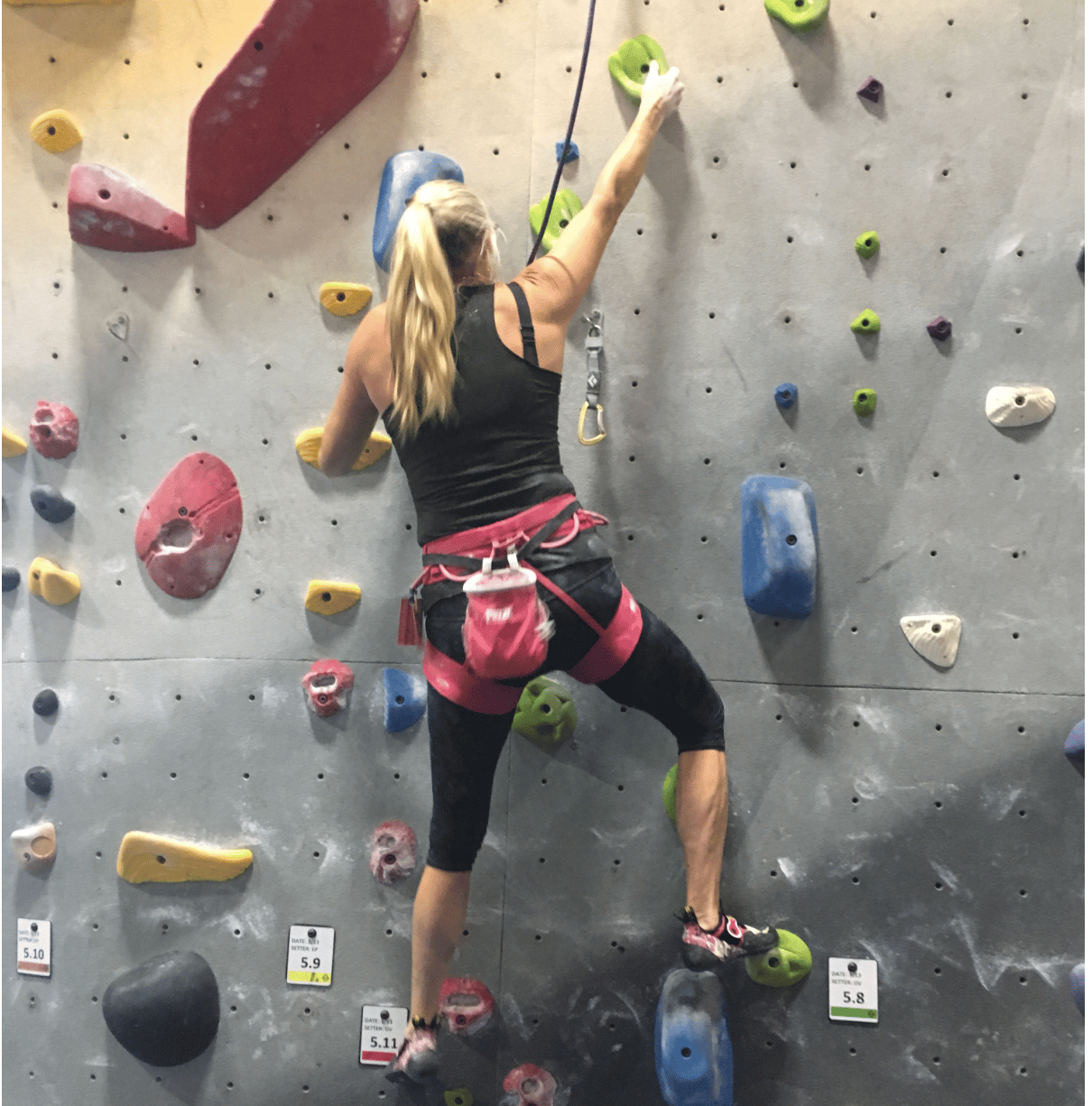
Build your three-piece winter fitness capsule: Balance (climb), power (lift), longevity (yoga).
Market Reports
What the Numbers Are Really Saying
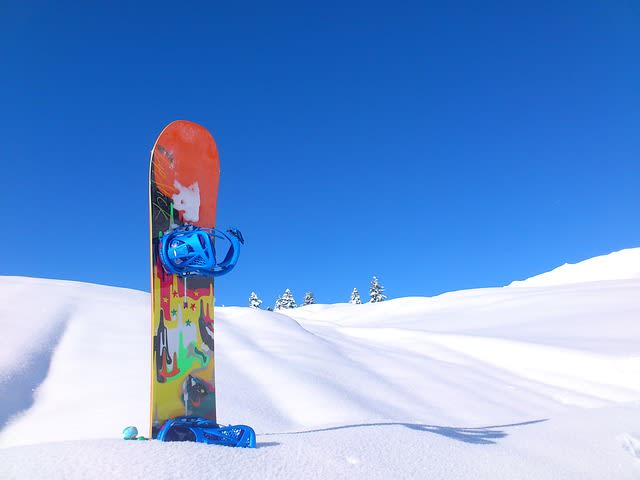
Lake Tahoe's diversity of ski resorts offer skiing and riding options for all skill levels.
Second Home ownership
One detail that trips up many vacation-home buyers? Getting insured.
I understand the nuances of complex transactions, and am sensitive to the unique needs of the discriminating buyer and seller. My expertise as a leader provides my clients with a wealth of clarity and direction that translates into exquisite representation. Contact me now!